
PPM Express turns a suggestion box into an intake you can govern — business challenges, ideas scored on the same model as the rest of the portfolio, votes, a visible stage, a recorded decision and funded projects at the end of it. Submitters never need a licence, because pricing is flat and users are unlimited.
The challenge, the idea, the vote, the score, the decision and the project it became — one record, in the same system your portfolio is funded from.
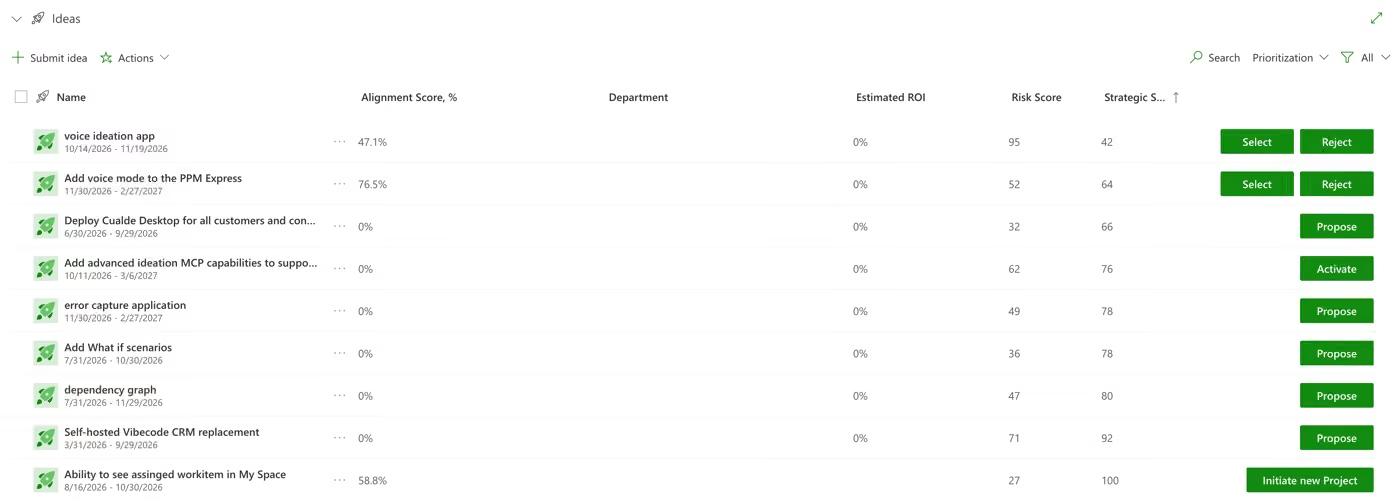


Ideas arrive by email, in workshops and in corridors, and each one is judged on its own. Nothing forces the question of whether this idea is worth more than something already funded, so the list grows by addition rather than by choice.
Someone decides, and the reason lives in a meeting nobody minuted. When the same suggestion arrives again next year, there is nothing to point at, so it is argued from the beginning a second time.
A submitter who hears nothing concludes that submitting changes nothing. The next round brings fewer ideas and weaker ones, and the people closest to the work are the first to go quiet.
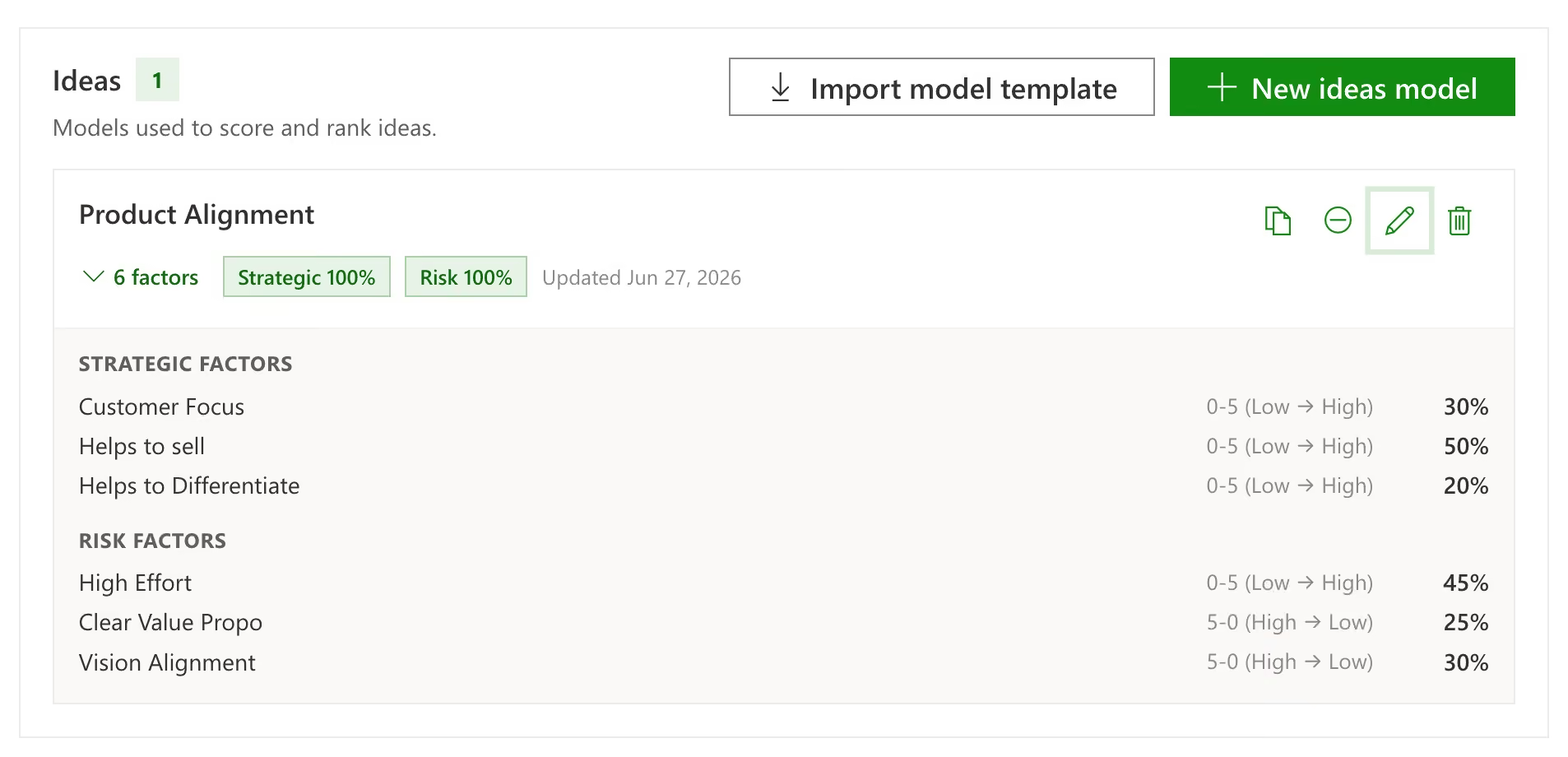
Ideation is not a separate product bolted onto the side. Challenges, ideas, votes, scores and decisions live in the same system as the portfolio they feed, so a selected idea becomes a funded project without being re-argued from scratch.
Challenges, submissions, votes, stages, scores, the decision and the reason behind it, the business case, and the project each selected idea became.
A licence for every contributor. Pricing is flat and users are unlimited, so opening submission and voting to the whole organization costs nothing extra.
Microsoft 365 or Okta SSO, with centralized user management. Submission and voting sit behind the Collaborate permission; drafts stay visible only to the people who manage challenges.
Name the problem — a cost target, a compliance deadline, a complaint that keeps coming back — and give it an area, a manager and a description. People answer a defined question instead of submitting into a general inbox, and you get comparable responses rather than a list you then have to sort into themes. Connect challenges to the strategic objectives they serve.
Anyone can submit, and once an idea reaches the active stage a wider group can vote on it. Every submission is then scored on the same decision matrix — impact, effort, cost, revenue and risk — with an alignment score carried through from strategic alignment, so the idea from the executive and the idea from the graduate are judged the same way.
The challenge manager selects, does not select or archives each idea, and the reason is recorded against it. Selected ideas become projects in the portfolio, carrying their score, sponsor and expected benefit, and run the same stage-gate process as anything else you fund.
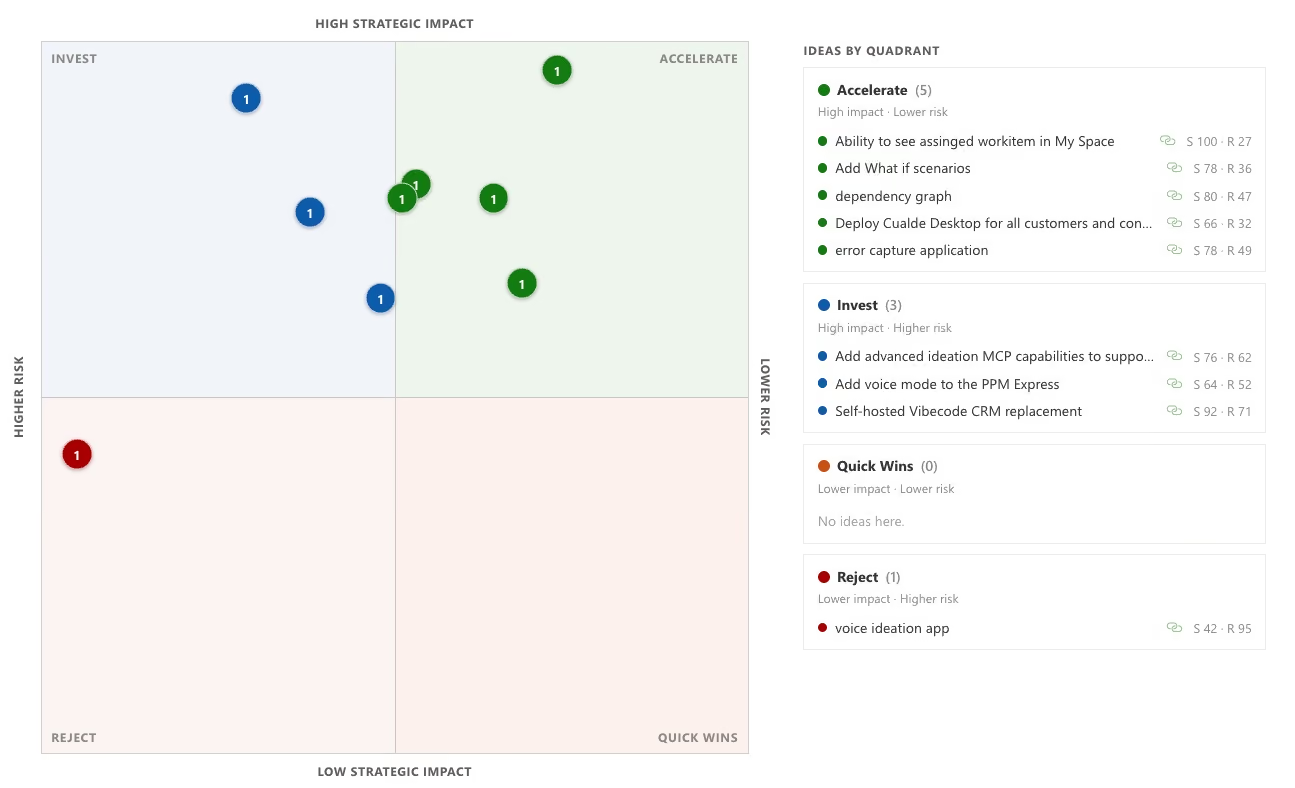
Every idea moves through the same stages, and everyone can see which one it is at — including the person who submitted it. Draft, proposed and active, then selected, not selected or archived, with the decision and the reason recorded against the idea. Once an idea is selected, the project it becomes runs the same gated lifecycle as the rest of the portfolio. Process management, lifecycles and stage gates.
Draft is visible only to the people who manage challenges. Proposed puts an idea in front of its reviewer. Active opens it to voting. Selected, not selected and archived close it, and the reason stays attached to the record.
A selected idea becomes a project and enters the same stage-gate process as any other funded work, so money is released in stages against evidence rather than committed once at approval.
A challenge has a manager and an area. Each idea has a submitter and a requestor manager. Nothing sits in a queue with nobody's name on it, which is the failure mode every suggestion scheme dies of.
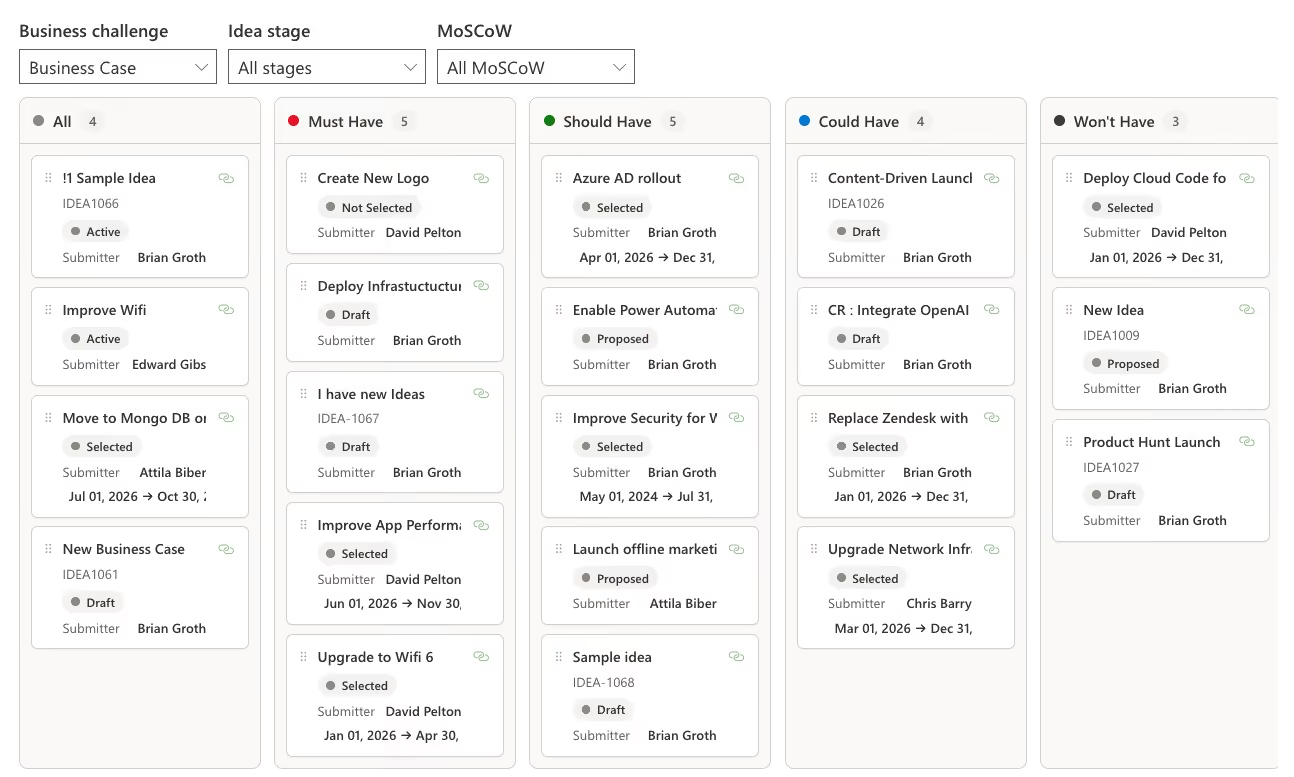
A shortlist only survives scrutiny when the model behind it is explicit. Every idea is scored on impact, effort, cost, revenue and risk, with an alignment score carried through from strategic alignment, so a ranking can be defended line by line and re-run when the weights change. How idea scoring and ranking works.
Criteria and weights are configured once and applied to every submission, so who proposed an idea stops being an input into whether it proceeds.
A compliance challenge and a customer-experience challenge should not be judged on the same weights, and do not have to be.
Every score traces back to the inputs behind it, so the decision survives the question “why is this one above that one?”
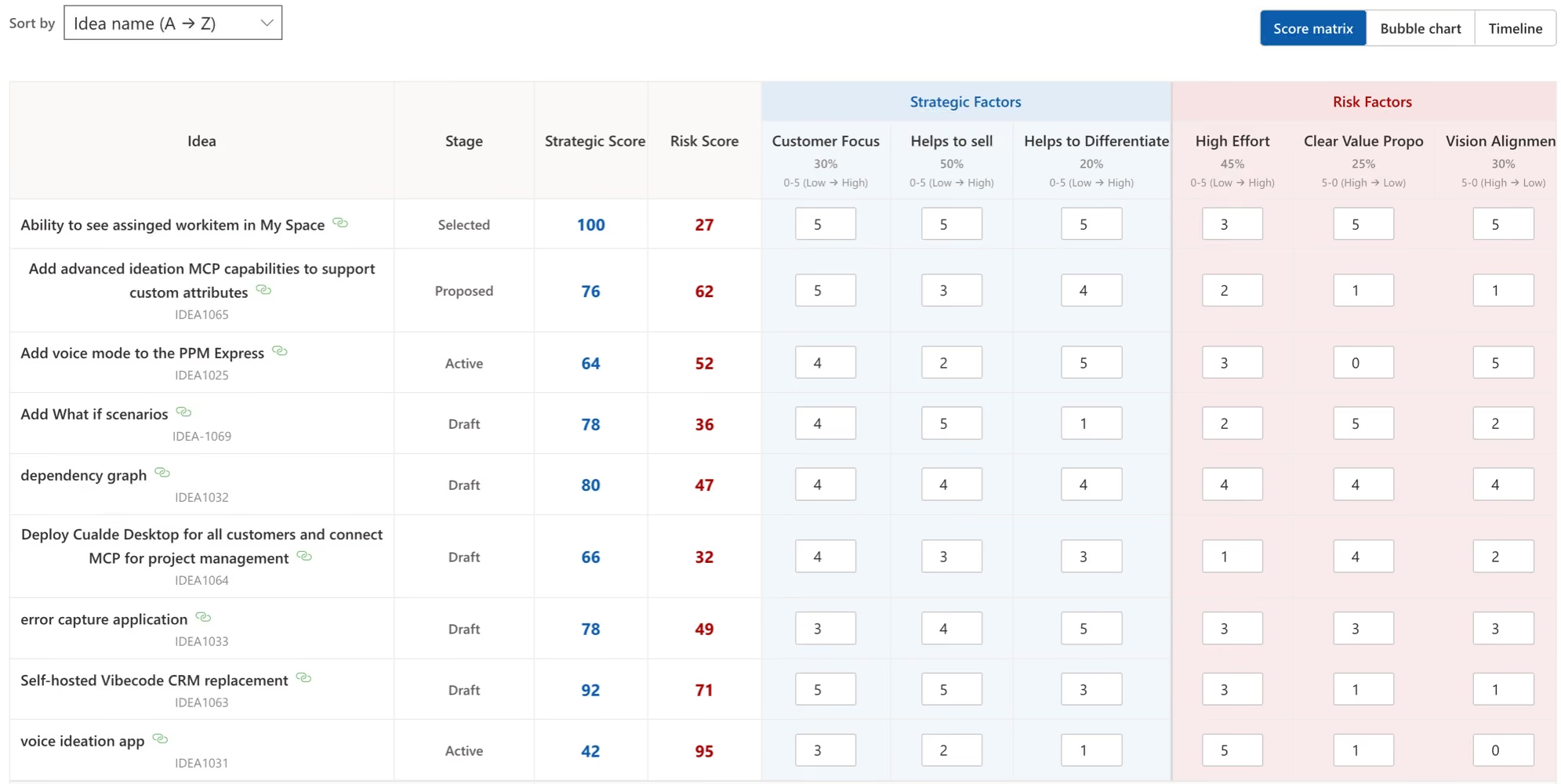
A committee sees the ideas it was shown. Voting shows what a wider group thinks, and it is most useful precisely when the two disagree, because that disagreement surfaces before the decision rather than after it.
Idea prioritization and ranking.
Voting opens when an idea reaches the active stage and closes when the decision is made. It is a gate in the process, not a permanent popularity contest.
Anyone with the Collaborate permission can vote and comment. Because users are unlimited, widening participation is a policy decision rather than a licensing one.
The challenge manager still decides, and the reason is recorded. Popularity is evidence, not authority.
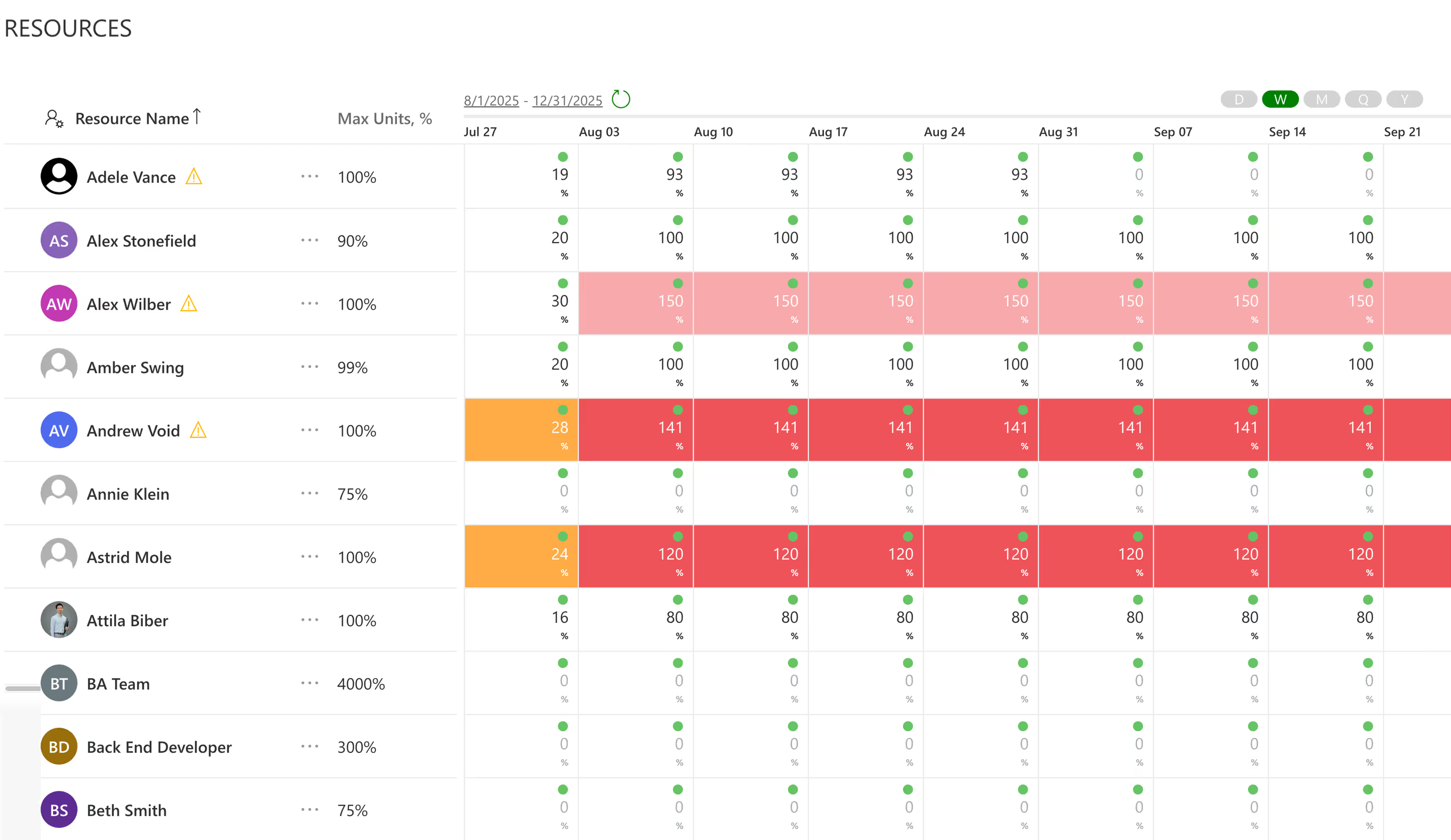
The fastest way to break an innovation programme is to approve ideas the organization has no one to deliver. An approved idea draws on the same budget and the same people as everything already in flight, so you see what a new commitment displaces before you make it. Resource capacity planning and utilization.
Required roles, planned work and a resource plan sit on the idea before it is selected, not after the project is created.
Availability is calculated from real work weeks, calendars and calendar exceptions, not from an assumed eight-hour day.
“Can we take this on as well?” becomes “here is what would have to move for it to fit”.
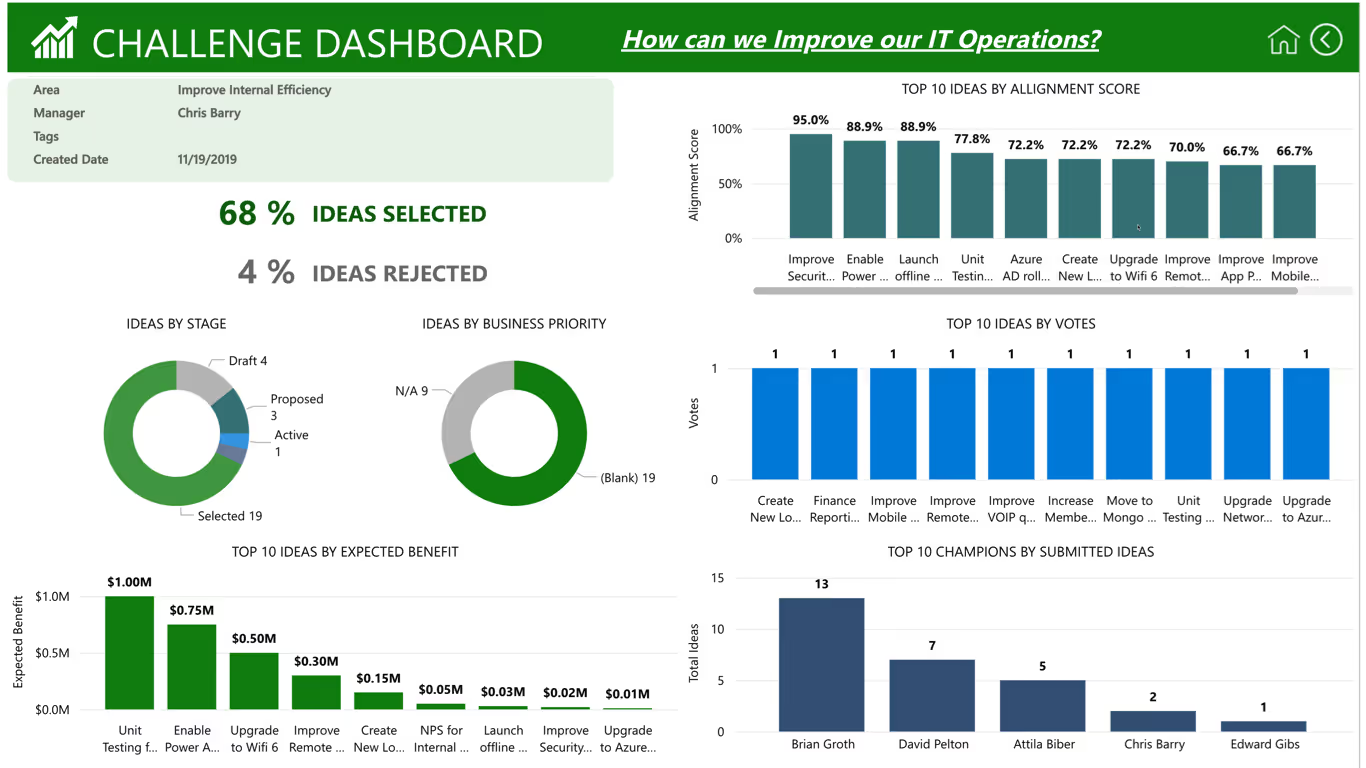
An idea here is not a title and a paragraph. It holds what a funding committee actually asks for, so approval is a comparison between numbers rather than between advocates, and the reporting layer reads from the same record. Portfolio reporting and analytics.
Estimated and actual cost, expected benefit, revenue and estimated ROI, with separate justification fields for the cost and the benefit.
Inherited and residual risk scores with probability and impact, plus mitigation and contingency plans, attached before the decision rather than after it.
Every idea that did not proceed keeps its score, its reviewer and the recorded reason. When the same suggestion arrives again next year, last year’s answer is still there.
One big idea drive a year collects a spike of submissions and then goes quiet for eleven months. Challenges open and close on their own schedule, ideas are scored as they arrive, and gate reviews happen on a rhythm, so the intake is a standing process rather than an event.
New ideas and requests arrive through a structured intake, are scored on the same model as everything else, and join the queue rather than jumping it. Idea scoring and prioritization.
Fund in stages. Each gate is an explicit decision to continue, change or stop, with the current business case, spend, capacity and benefit evidence attached to it.
How long an idea waits for an answer is a number, not a feeling. Report on it the way you report on delivery, because it is the metric participation actually responds to.
The benefit promised at intake stays attached after delivery, so what an idea returned can be compared with what it claimed, and the next round is argued from evidence.

Submissions arrive through whichever channel the person happened to use, and what proceeds depends on who is asking rather than on how it compares with what is already funded.
There is no stage to look at and no owner to ask, so people conclude that submitting changes nothing and the next round brings fewer ideas.
A refusal lives in somebody's memory, so the same suggestion returns next year and is argued from the beginning a second time.
Every submission answers a named problem and is scored on the same matrix, so the shortlist can be defended line by line.
The stage is visible to the person who submitted the idea, and the challenge manager is named, so people can see where their idea stands without having to ask anyone.
The outcome stays on the idea, so when the same suggestion returns next year you can read what was decided and why instead of arguing it from the beginning again.
Gated intake
Put new ideas and project requests through the same stage-gate process your projects follow, so only reviewed and approved ideas reach funding.
Pick the stage-gate process for each business challenge, so ideas follow the right stages from submission to selection.
Gate each stage with a checklist and a Go, Hold or Kill decision. Require sign-off from the people who own the decision (Ultra). Every decision, time and comment is recorded.
Approved ideas become projects that pick up their own stage-gate process.
[SCREENSHOT: Idea with Process section in Flow Chart view, e.g., Initiation, Evaluation, Selection, Implementation, Closure]

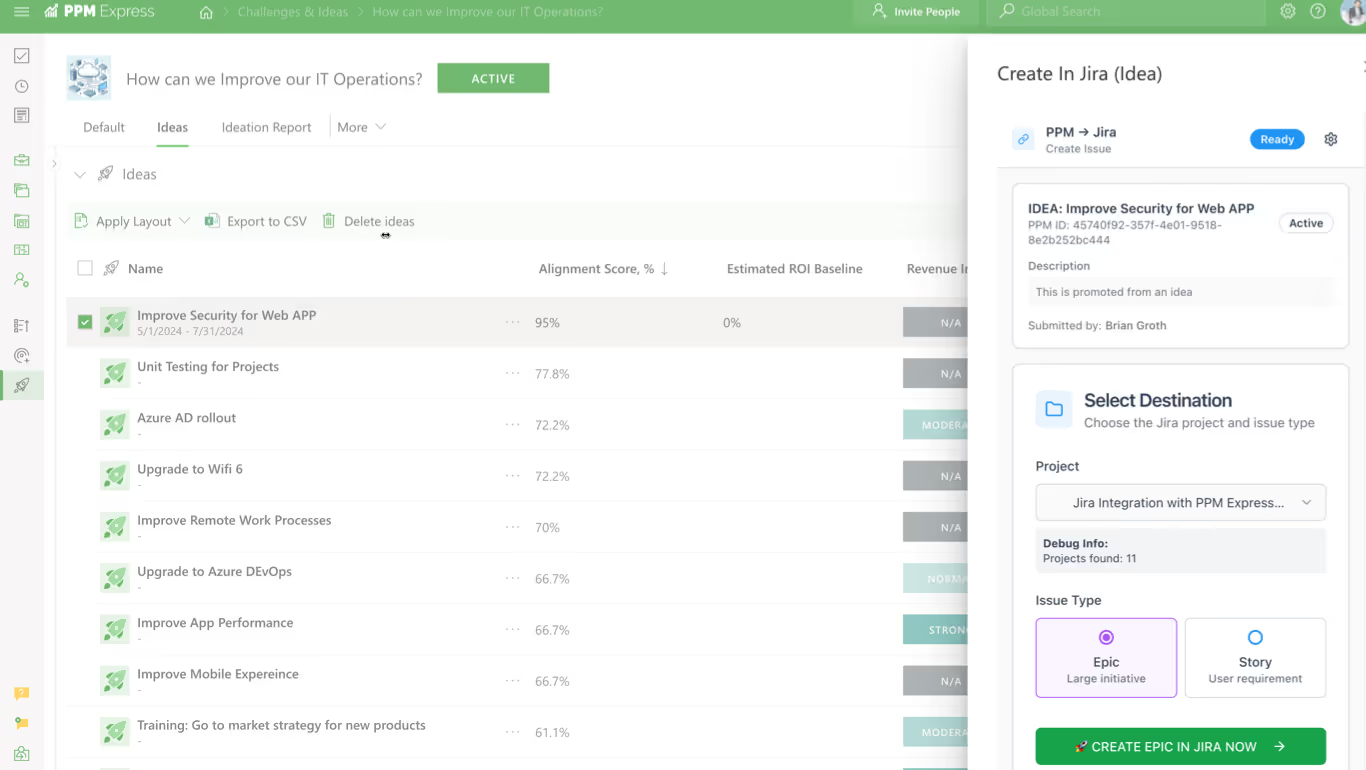
A selected idea becomes a project, and that project connects to the board your delivery team already works in.
Integrations

Draft, proposed and active, with voting open at the active stage to anyone holding the Collaborate permission.
Product

A selected idea carries its score, sponsor and expected benefit into the portfolio and the stage-gate process behind it.
Product
Last updated 20 August 2026
Ideation and innovation management, answered.
A system for capturing ideas, evaluating them consistently and progressing the good ones into funded work. The evaluation and the progression are what separate it from a suggestion box. Without both, collection quality drops within two rounds because people learn that submitting changes nothing.
A specific problem you invite ideas against, rather than an open call for anything. A challenge is posted with an area, a manager and a description, and it stays open until it is closed. Challenges work better than open submission because they give people a frame, and they give you a set of comparable responses instead of a scattered list you then have to sort into themes.
Draft, proposed and active, then selected, not selected or archived. Everyone can see which stage an idea is at, including the person who submitted it, and the decision and the reason behind it are recorded against the idea.
Users with the Collaborate permission can vote, and only on ideas that have reached the active stage. Voting closes once a decision is made. It informs the decision rather than making it, because the challenge manager still decides.
A decision matrix of impact, effort, cost, revenue and risk, plus an alignment score carried through from strategic alignment. On the financial side, estimated and actual cost, expected benefit, revenue and estimated ROI, with separate justification fields for the cost and the benefit. It also holds a resource plan, required roles and planned work, and inherited and residual risk with mitigation and contingency plans.
The challenge manager selects it, and it becomes a project in the portfolio carrying its score, sponsor and expected benefit. From there it runs the same stage-gate process as anything else you fund, with money released in stages rather than committed once at approval.
In two steps. A selected idea is turned into a project in PPM Express, and that project connects to the Jira or Azure DevOps board your delivery team already works in. There is no direct idea-to-Jira push.
No. Pricing is flat for unlimited users rather than per seat, so opening submission and voting to the whole organization does not change your cost.
The expected benefit entered at intake stays attached to the project the idea became, so what it returned can be compared with what it claimed. That comparison is what turns the next round of funding into an evidence-based conversation rather than a contest between enthusiasms.
Continuously rather than once a year. A single annual idea drive collects a spike of submissions and then goes quiet for eleven months, which is exactly how participation decays. Challenges open and close on their own schedule, ideas are scored as they arrive, and the number worth watching is how long a submitter waits for an answer.
They keep their score, their reviewer and the recorded reason, and they stay searchable. When the same suggestion arrives again next year, last year's answer is still attached to it, so the discussion starts from where the previous one finished.
Yes. Ideas use the same stage-gate processes, checklists and approvals as projects, and each business challenge can use its own process. Approvals require Ultra.
Score and rank initiatives against criteria you define. Project prioritization and ranking
Test a portfolio option against capacity and cost before committing to it. Portfolio what-if scenario planning
Capacity calculated from real work weeks, before the portfolio is approved. Resource capacity planning and utilization
Connect strategic objectives to the initiatives funded to deliver them. OKRs and strategic objectives
Every delivery tool the portfolio is read from. All PPM Express integrations




.svg)


